Vought F7u Cutlass - The Chance Vought F7U Cutlass is a 1950's US Navy fighter/bomber that was one of the first jet fighters used in the Cold War era. The aircraft is designed to operate from an aircraft carrier, but can also operate on the ground.
The Cutlass was based on a German design obtained by the US Army from the Arado Aircraft Factory at the end of World War II known as the Arado Ar E.583. It was a very unique device for its time.
Vought F7u Cutlass
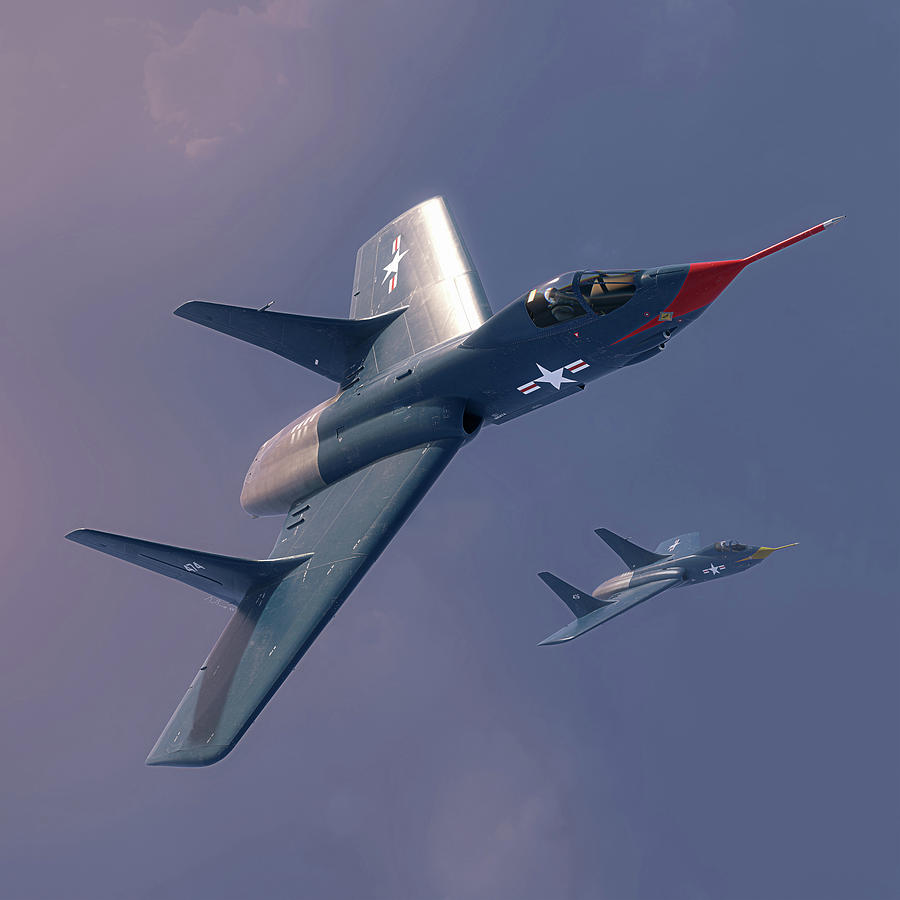
The aircraft had very short and wide wings with two tail fins attached to the aft wing. This shape made the structure of the landing gear relatively high, which soon became the biggest drawback of the airplane. This construction made the very long nosewheel very fragile and the result was a nosewheel that frequently broke during landing. The aircraft was initially equipped with unreliable Westinghouse turbojet engines that produced very little power.
Snp Vought F7u 3 Cutlass Bundle Paper Model
The mocking name the pilots had prepared for the aircraft was unpopular due to poor engine performance and sagging nose wheel support.
In 1952, the USN demonstration team Blue Angels also briefly flew the Chance Boat F7U Cutlass.
In 1946 three F7U prototypes were ordered (see version) and the first flight took place in September 1948.
Introduced in 1951, the F7U-2 had an Allison J35 engine without afterburner. This type was rejected because problems with the engine structure caused the engine to quickly shut down in the rain.
Chance Vought F7u 1 Cutlass
Later produced F7U-2 and 3 versions had more powerful engines. Introduced in 1954, the F7U-3 received a Westinghouse J46 WE-8 turbojet, but despite some improvements in engine performance, the Cutlass still lacked power.
Cutlass has never been deployed in combat. However, this aircraft has been involved in about 20 serious aircraft accidents. Therefore, the operational life of the aircraft is short. From 1954 to 1957.
When the Chance Vought F-8 Crusader entered service in 1957, the F7U Cutlass was quickly decommissioned. In fact it was glad to see it gone and in 1962 the last flying unit was deactivated and retrained as a Crusader. After World War II, aircraft introduced many novel designs as aerospace engineers combined newly developed jet engines with advanced airframes to push the limits of speed and overcome the sound barrier. Recognizing that the advanced aircraft designs built and flown by Nazi Germany had some success towards the end of the war, many aerospace companies, including the United States, Britain, and the Soviet Union, studied German airframes and incorporated many of their features into their own aircraft designs. . One of them is the American Vought F7U Cutlass.
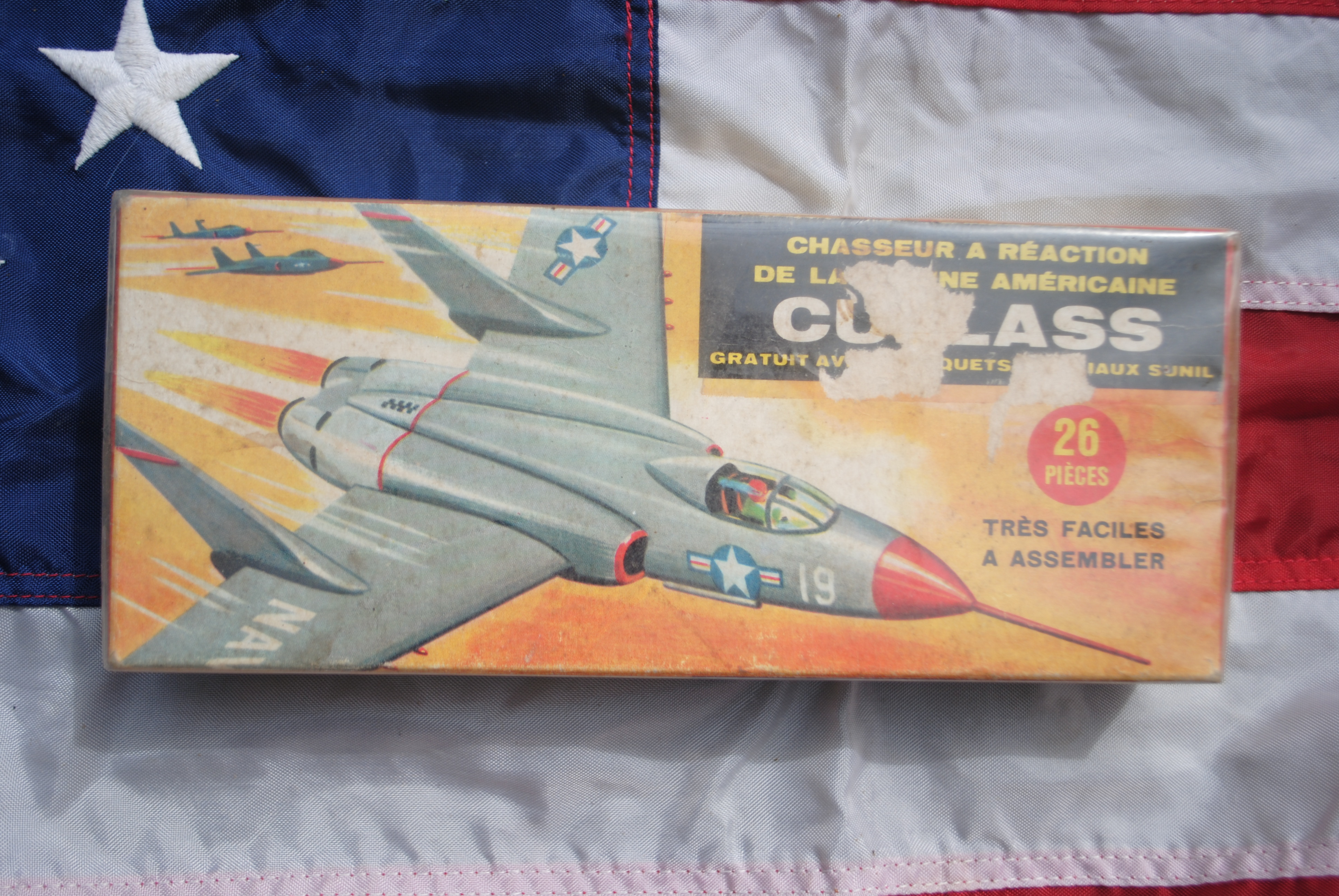
The Cutlass was very different from most other American planes and used research from the German company Arado conducted during World War II. Vought designed the Cutlass for speed, and until then the planes had no tail and large swept wings, both of which the plane's designers hoped would reduce drag at high speeds. Expectations were high for the twin-engine jet, with a 1948 article predicting that the F7U would not only prove to be the Navy's fastest aircraft, but would eventually break the sound barrier as well.
Sunil * Vought F7u Cutlass
Cutlass also brings a few new elements to the US. Navy, including fully steerable landing gear, high-pressure hydraulic flight controls, and new jet engine designs. Unfortunately for the pilots who flew the Cutlass, the jet's engines were underpowered, its landing gear not strong enough to handle the stresses of carrier operation, and its hydraulic system leaky and prone to failure. In a word, lethal.
In one memorable accident, a Navy pilot pulled out his cutlass fearing an impending crash. Armed with 2.75-inch rockets, his jet continued to fly for 30 minutes after ejection, flying around San Diego before losing altitude and crashing near the coast.
In another tragic accident, Cutlass failed to connect an arrestor cable to the USS Handcock's flight deck and became entangled in the arresting net on top of the deck. The force of the impact pushed the nose gear struts into the cockpit and pushed the pilot's ejection seat out, and the pilot hit several hundred feet in the air and into the parked aircraft, seriously injuring the pilot and later dying of his injuries.
The number of accidents during air shows or carrier landings was so great that many Cutlass pilots refused to fly any more with the aircraft in question and simply cut off their flying gear. On at least one occasion, Navy officials feared for the safety of crew and pilots and ordered all cutlasses removed from aircraft carriers.
Chance Vought F7u Cutlass Pictorial Monograph, Faow #132, Bunrindo Japan
Vought's F7U Cutlass was decommissioned in 1959, eventually serving for eight years. Despite the aircraft's advanced design, perhaps its greatest feature was that it was one of the Navy's deadliest aircraft. 25% of Cutlass aircraft were lost in accidents. accident. Or all swept wings U.S. navy plane. Despite the Cutlass' advanced design, it fell short of becoming a successful fighter for the Navy.
Caleb Larson is a defense writer based in Europe. He holds a Master's degree in Public Policy and covers the United States. Russian security, European defense issues, German politics and culture.
Caleb Larson is a multi-format defense journalist and writer based in Berlin, but he spent most of 2022 reporting from Ukraine. He focuses on US foreign policy and European security, addressing the intersection of conflict, security and technology. Follow him on Twitter @calebmlarson. The Die Vought F7U Cutlass is a vegetarian aircraft designed with the flight deck design used by the US fleet. Specifications published by the US Fleet specify aircraft capable of reaching 965 km/h (600 mph). That plane is not starvlerke nie, sähes hoofvlerke. It has two star fins. The design was influenced by the work of Arado-maatskappy in Germany. Its vlerke is almost delta-shaped with an angle of 38°.
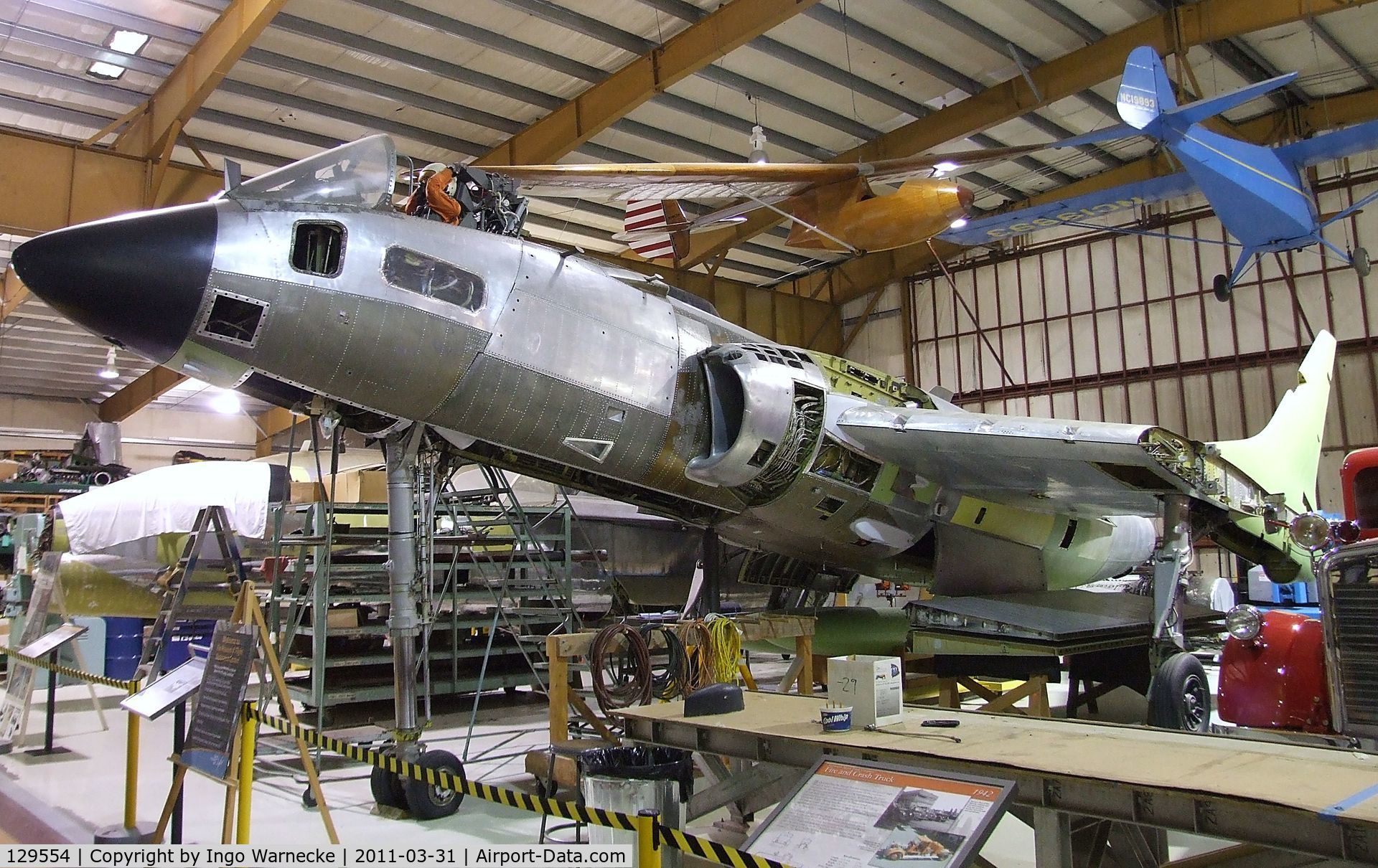
The Cutlass was the first production supersonic aircraft in the US fleet. Only 14 of the first model, the F7U-1, were built and were used primarily for testing and training. The aircraft requires basic maintenance and has a high accident prevention rate, but pilots are looking for it. Hulle can experience up to 16G of gravity during the plane's extreme dive.
File:f7u 3p Cutlass In Flight C1955.jpg
The F7U-3 is in service with 13 squadrons of the Fleet and Marine Corps. This model has a new design, reinforced hull and wings. More panel covers and doors have been added to reduce maintenance time. The nose design has also been changed, as the aviator's look has been improved and the nose wheel has been lengthened and strengthened. This model was used in 1954.
The F7U-3M model could carry four laser-guided sparrow lug-to-lug missiles, most of which were retired in 1956/7. The F7U-3 aircraft had a high accident rate, with 25% of all aircraft lost in accidents.
Chance vought f7u cutlass, vought f7u 3m cutlass, f7u cutlass cockpit, vought f7u, vought f7u 3 cutlass, f7u 3m cutlass, f7u cutlass model, vought cutlass, f7u 1 cutlass, f7u cutlass, f7u 3 cutlass, f7u

0 Comments