Mach 3 Plane - The aircraft was an A-12 "Oxcart", a smaller and faster version of the single-seat predecessor to the Air Force's SR-71 Blackbird spy plane.
An analysis of a week's worth of footage from the USS Pueblo near Wonsan anchored next to two patrol ships - and also revealed that Pyongyang had not massed its troops for war. This led Johnson to scrap plans for a preemptive or punitive strike in favor of diplomatic measures that eventually freed the abused ship's crew nearly a year later.
Mach 3 Plane
On October 30, 1967, a CIA spy plane soared eighty-four thousand feet above Hanoi in North Vietnam, traveling faster than a gunshot at three times the speed of sound. A high-definition camera in the black plane's belly captured more than a mile of footage of the terrain below—including more than 190 locations of the Soviet-built S-75 surface-to-air missile.
To The Dude Trying To Make A Mach 3 Plane
The pilot of the plane, Dennis Sullivan, had previously flown one hundred combat missions in the F-80 Starfighter over Korea for the US Air Force. But Technically Sullivan was no longer a military pilot - he was a "dip dip", he was fired for a while to fly the high-tech aircraft on behalf of the CIA. Now he sat in a cramped cockpit in a refrigerated space suit, with the friction from his Mach 3 jet heating the cockpit to over five hundred degrees.
Sullivan noted that warnings flashed on his instrument panel when the radars of the Vietnamese fans closed in on him. But they did not launch missiles. In twelve and a half minutes, he completed the run and circled Thailand, where he received aerial fuel. he went through the second pass.
But the North Vietnamese were waiting for him. A missile launch alert warned him that a 10.5 meter long missile was headed his way.
Decades later, Sullivan described in a speech that he saw one of the missiles fired beyond him, two hundred yards away.
Lockheed Sr 71a Blackbird Mach 3 Spy Plane
"Here comes Bijul's phone traveling right by the cockpit - going straight. That's interesting... So I kept going down the runway, and I didn't see anything - until I got off the road, and then I could see behind me . in the rear periscope at least four missile pieces, all set. The four bands rose to a height of 90-95,000 feet and all turned, clustered in a line, towards the end of my tail."
The official A-12 had a top speed of Mach 3.2 - but the missiles that followed Sullivan could reach Mach 3.5.
"I said, 'Holy smokers—those things fly so well there for something that doesn't have a lot of wings.' So I saw them coming... They got up right behind me, very close, and suddenly there was a big red ball of fire—a big white cloud of smoke—and it would go away in an instant. They were going thirty miles a minute. [Note: For actually, 41 miles per minute!] Every single one of those SAMs steered perfectly and did the same sad thing."

The missile's warhead, weighing 440 kg, was designed to grab an aircraft from the air within 65 meters from the point of explosion. However, in the thin air of outer space, its fragments can move up to four times.
Lockheed Sr 71 Blackbird: The Illustrated History Of America's Legendary Mach 3 Spy Plane (hardcover)
Sullivan bailed out and landed his A-12 at Cadena Air Force Base, where he spent several minutes cooling off on the tarmac before technicians touched the heated skin. The heat stress and high speed took a physical toll on the plane's pilots, who lost an average of five kilograms of body weight by the end of their three to four hour mission.
He sat wondering when the technicians entered the room and showed him two pieces of metal from the missile's nose cone they found hidden under his lower left wing - just shy of his plane's fuel tank.
Later, when Sullivan's dashboard video was found to have captured the ghostly white sides of six surface-to-air missiles aimed at him from the ground.
Twelve of the CIA's fastest A-12s were released shortly after the first flight in 1962. After being shot down several times by U-2 spy planes, Washington was no longer ready to authorize the flight. of the Soviet area, which the A-12 was designed to do. Meanwhile, the Air Force ordered a larger SR-71 version of the A-12 that proved to be more "flyable" in November 1967. Unwilling to fund two identical aircraft, the CIA's fleet of A-12s was scheduled for immediate retirement.
Mach 3 Man. Robert “bob” Gilliland, First To Fly The Iconic Lockheed Sr 71. Here With The Blackbird # 61 7950, Which He Piloted On Its First Flight On December 22, 1964. Bob Passed
However, for ten months, the A-12 briefly filled an important niche providing high-value, high-speed intelligence in Asia, where the political and military risks seemed acceptable. Between May 31, 1967 and March 8, 1968, CIA pilots flew the A-12 on twenty-nine reconnaissance missions over Cambodia, North Korea, and Vietnam in Operation Black Shield. The aircraft took off from Kadena Air Base in Okinawa, Japan, supported by more than 250 support personnel.
Initially, President Lyndon B. Johnson was concerned by reports that North Vietnam had acquired surface-to-surface missiles (SSM) for attacks against South Vietnam. On May 31, 1967, CIA driver Mele Vojvodich stormed through a rainstorm and recorded a mile-long reel of camera footage covering much of North Vietnam. The reel was then taken for development by Kodak in Rochester, New York. The conclusion, confirmed by subsequent flights, was that Hanoi had no SSM at all.
The A-12's intelligence often directly influenced LBJ's decisions to commit to air strikes during the Vietnam War. However, the stealth characteristics of the Oxcart were never enough to avoid detection by Soviet-built radars.

On October 28, 1967, an S-75 fired a missile at an A-12 piloted by Miller, but it did not get very close. However, after Miller's close call two days later on October 30, Black Shield flights were temporarily suspended. A later mission on 4 January on the same route over Hanoi also involved firing a missile, without any effect.
American Airlines Orders 20 Boom Supersonic Passenger Jets
Meanwhile, on January 23, 1968, North Korean patrol boats seized the USS Pueblo, an American spy ship operating in international waters, and took its crew hostage. Fearing that the incident, along with the failed commando raid on the South Korean presidential palace, might herald the Second Korean War, Johnson was persuaded to send an A-12 piloted by Jack Weeks to North Korea on January 26.
Near Wonsan it anchored next to two patrol ships - and it also revealed that Pyongyang had not mobilized its troops for war. This led Johnson to scrap plans for a preemptive or punitive strike in favor of diplomatic measures that eventually freed the abused ship's crew nearly a year later.
A-12s flew two more sorties over North Korea to track the ship, which was eventually transferred to Pyongyang. Tragically, Weeks died six months later on June 5, when a malfunction in the right turbojet engine of his A-12 caused it to overheat, crashing his plane into the South China Sea. Sixteen days later, the CIA A-12 made its final flight before the type was decommissioned.
Sullivan's view of Vietnam suggests that it was fortunate that no A-12 flights were authorized over the Soviet Union, where they faced greater danger, faster interceptors and more advanced SAMs such as the S-200 (SA -5). Today, the threat intelligence for photography is mainly achieved by satellites, or by drones that can be used.
Virgin Galactic Mach 3 3d Model $125
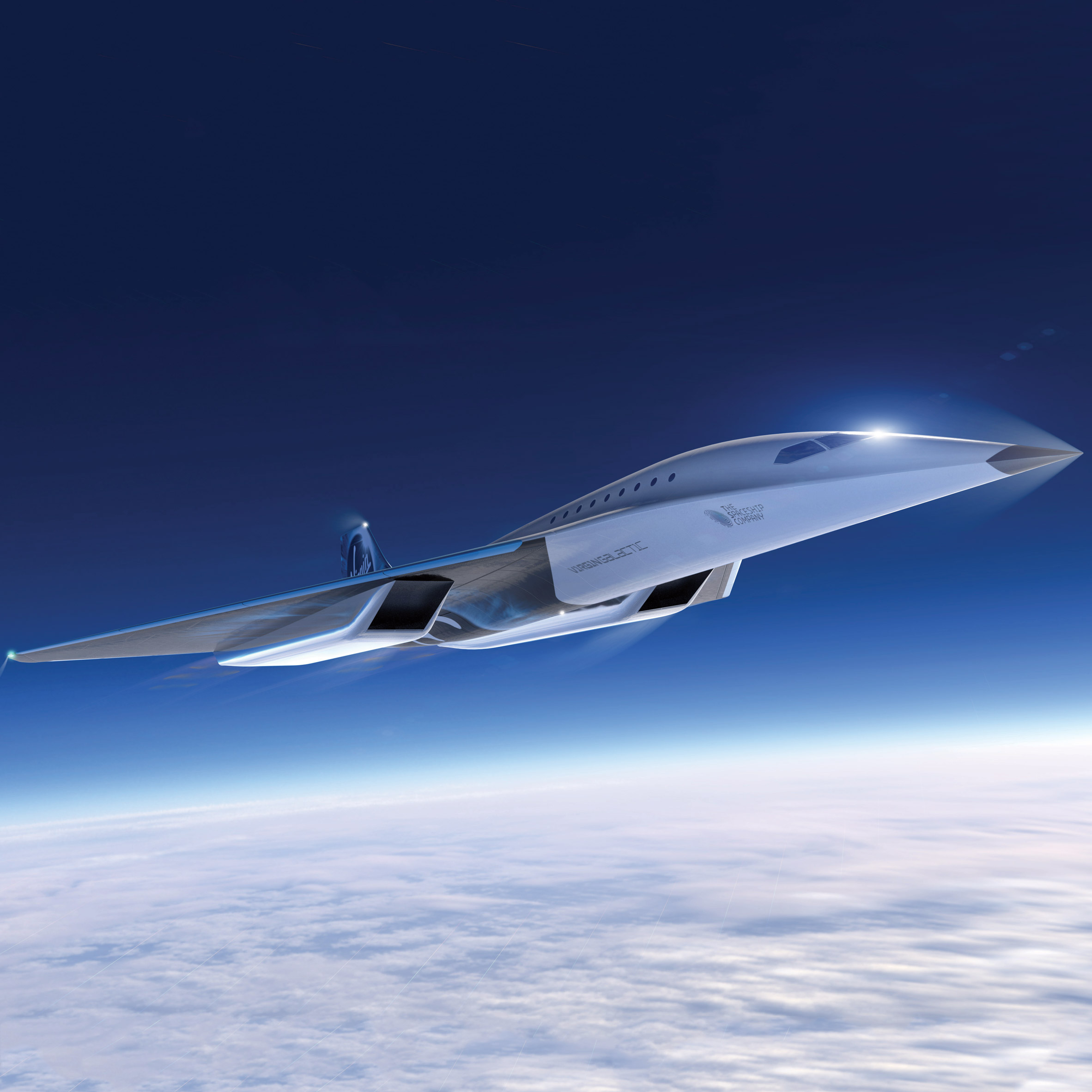
Sebastian Roblin has a master's degree in conflict resolution from Georgetown University and served as an instructor for the China Peace Corps. He has also worked in education, editing and refugee resettlement in France and the United States. He currently writes on security and military history for War Is Boring. Space brand Virgin Galactic has unveiled a high-speed passenger plane concept called Mach 3, which can travel three times the speed of sound.
The Mach 3 aircraft will be able to carry between nine and 19 passengers and fly at an altitude of more than 60,000 feet (18,300 meters).
The plane consists of triangular delta wings, the plane will be able to move at a speed of Mach 3, or 3704 kilometers per hour, which is three times the speed of sound.
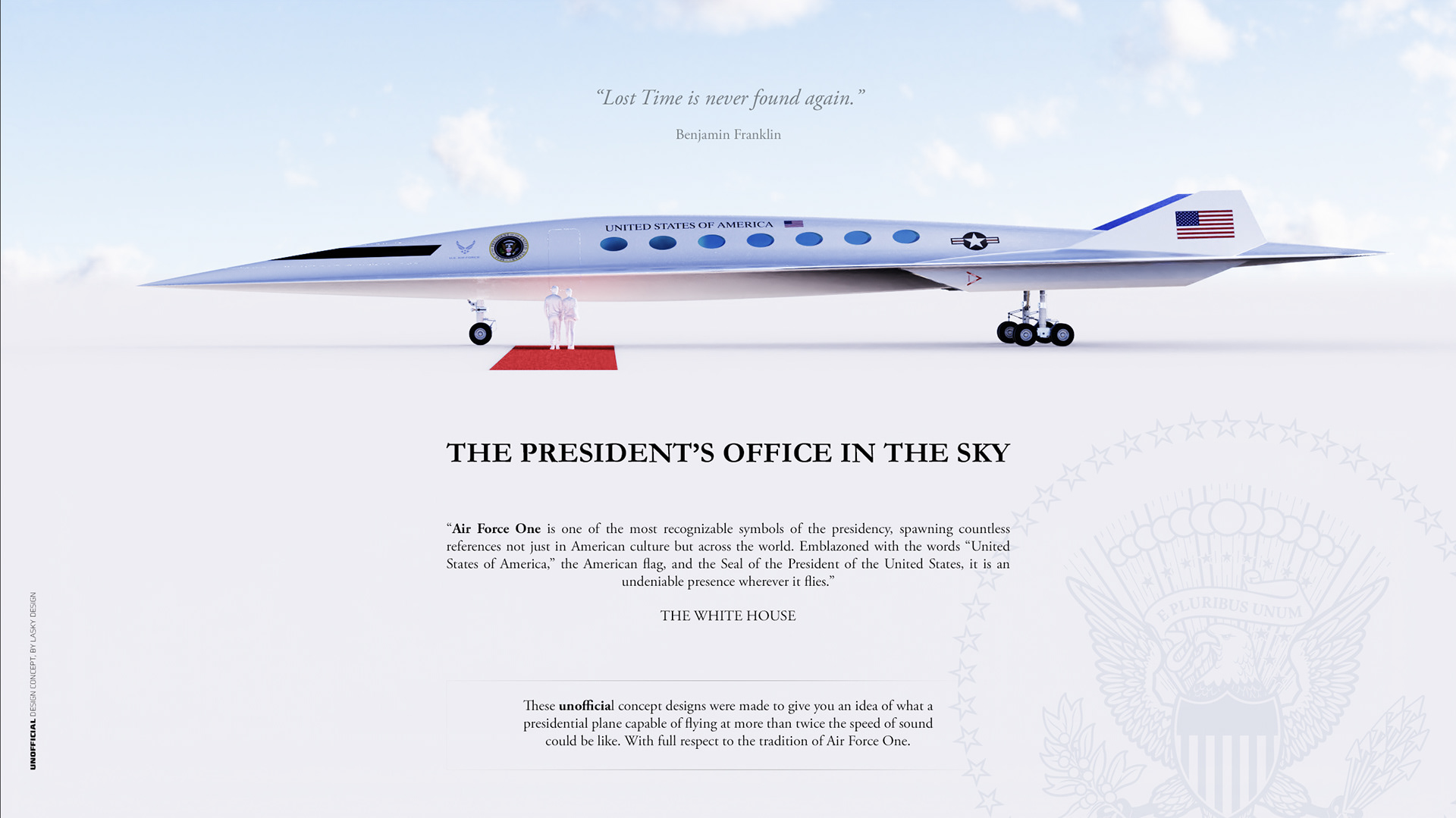
By comparison, Concorde, a high-performance commercial airliner that was in operation until 2003 and also had delta wings, traveled at only Mach 2.
The New Super Sr 72 Hypersonic Aircraft
Virgin Galactic unveiled the design concept after receiving approval from the US Civil Aviation Administration's Center for Emerging Concepts and Innovations to create a certification system for a new generation of advanced passenger transport.
"This marks an exciting step in Virgin Galactic's development of a new generation of high-speed aircraft, in collaboration with industry and government leaders, with a focus on customer experience and environmental sustainability," the brand said.
"The aircraft's design philosophy aims to make high-speed travel practical, sustainable, safe and reliable while prioritizing the customer experience," the brand said.
"The aircraft will take off and land like any other passenger aircraft and is expected to be integrated into existing airport infrastructure and international airspace around the world."
United Plans Supersonic Passenger Flights By 2029
Virgin Galactic partnered with aerospace engineer Rolls-Royce to develop propulsion technology for Mach 3.
“We are delighted to partner with the innovative team at Rolls-Royce Engineering Group as we strive to create sustainable and innovative aircraft propulsion systems, and we are delighted to be working with them.
Buy gillette mach 3, mach 7 plane, mach plane, mach 3 cartridges, mach 1 plane, mach 3 razor refills, mach 10 plane, mach 15 plane, mach 5 plane, mach 1 rc plane, mach 2 plane, gillette mach 3 disposable

0 Comments